Automation and AI: Utilizing Technology to Optimize Marketing Processes

March 10, 2025

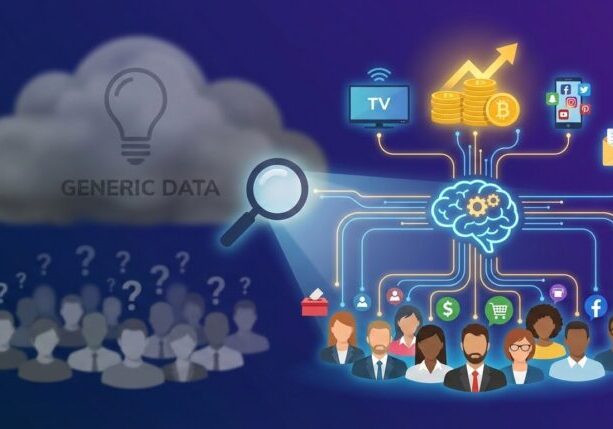
As we slide further into 2025, it’s clear that marketing is no longer just about creativity and intuition; it’s about leveraging cutting-edge technology to maximize efficiency and impact. Marketing automation and artificial intelligence (or AI) are both revolutionizing the marketing landscape, helping businesses optimize their processes, enhance customer engagement, and drive better results. From data-driven insights to personalized customer experiences, AI and automation are transforming how brands interact with their audiences.
Automation And Marketing
Marketing automation requires the use of technology to streamline and automate repetitive marketing tasks like email campaigns, social media posting, lead nurturing, and customer segmentation. It gives marketers the ability to focus on strategic planning and creative development all while ensuring that campaigns run efficiently and effectively. Some of the key benefits of marketing automation include:
- Enhanced Efficiency: Marketing automation reduces manual tasks, saving time and resources while minimizing human error.
- Personalization at Scale: By leveraging data analytics, digital marketing automation enables personalized messaging tailored to individual customer preferences and behaviors.
- Lead Nurturing and Scoring: Digitally automated workflows help marketers track and score leads based on customer engagement, ensuring that sales teams focus on the most promising prospects.
- Improved ROI (Return on Investment): By automating repetitive tasks, businesses can reduce costs and increase revenue through optimized digital marketing automation efforts.
- Data-Driven Decision Making: Automated platforms provide valuable insights and analytics to help marketers refine their strategies in real time.
AI is basically taking normal marketing automation to the next level by enabling machines to learn from data, predict customer behavior, and make intelligent decisions. Here’s a few ways that AI is currently being used to optimize marketing processes:
- Predictive Analytics and Customer Insights
AI-driven analytics tools analyze vast amounts of customer data to identify trends and patterns. By using this marketing technology to predict customer behavior, businesses can tailor their marketing strategies to meet customer needs more effectively. For example, AI can determine which products a customer is likely to purchase next based on their browsing and purchase history.
- Chatbots and AI-Powered Customer Support
Chatbots powered by AI are revolutionizing customer service by providing instant, personalized responses to customer inquiries. These virtual assistants can handle multiple conversations simultaneously, offer product recommendations, and even process transactions, enhancing the overall customer engagement. Lemonade insurance has started using an AI chatbot that guides users through the difficult process, adapting to each specific customer’s needs.
- Content Generation and Optimization
AI-powered tools like GPT-based models are capable of generating high-quality content for blogs, social media, and advertisements. Additionally, AI can analyze engagement metrics to determine which types of content resonate most with the audience, helping marketers refine their content marketing strategies.
- AI-Powered Email Marketing
AI-driven email marketing tools analyze customer engagement to optimize email content, subject lines, and send times. By leveraging machine learning, businesses can improve email open rates, click-through rates, and conversions.
- Personalized Customer Experiences
AI enables hyper-personalization by analyzing customer data in real time. This allows brands to deliver tailored product recommendations, personalized ads, and customized website experiences that align with individual preferences. Spotify has recently been doing this to curate better playlists and suggest songs that fit into an individual’s profile.
- Social Media Marketing Automation
AI-powered tools help brands manage social media campaigns more effectively by automating content scheduling, audience targeting, and sentiment analysis. AI can also analyze social media trends and recommend strategies to increase engagement. For example, North Face wanted to understand what consumers looked for in each market to optimize the consumer experience to those preferences. By using Google Tag Manager 360, the brand discovered that their customers were searching for a new term – “midi parka.” To tap into this, the company renamed one of its products and drove a 3X increase in conversions and revenue.
Putting It All Together
To successfully integrate AI and automation into your marketing strategy, consider the following steps:
- Define Clear Objectives: Identify specific marketing goals you want to achieve through AI and automation, such as increasing conversions, improving customer engagement, or streamlining workflows.
- Choose the Right Tools: Invest in AI-powered marketing technology platforms that align with your business needs. Popular tools include HubSpot, Marketo, Salesforce, and AI-powered chatbots like Drift and Intercom.
- Leverage Data Analytics: Use AI-driven analytics tools to gain actionable insights from customer data. Understanding customer engagement and behavior will help you create more effective content marketing campaigns.
- Test and Optimize: Continuously monitor the performance of AI-driven marketing initiatives and make necessary adjustments based on data-driven insights.
- Ensure Ethical AI Use: Transparency and ethical considerations are crucial when implementing AI. Ensure that customer data is handled responsibly and comply with data privacy regulations.
The Future of AI and Automation in Marketing
The future of marketing is increasingly being shaped by AI and marketing automation. Emerging technologies such as voice search optimization, AI-driven video marketing, and augmented reality advertising are poised to further revolutionize the industry. As AI continues to evolve, businesses that embrace these advancements will gain a competitive edge by delivering more personalized and efficient marketing experiences. By leveraging these technologies, businesses can optimize their marketing processes, enhance customer engagement, and drive greater ROI (Return on Investment). But with every new advancement in technology, there are limits to how far you can take it. Relying on AI or automation too much may muddy your brand or turn off customers who are looking for a human element. With Stirista, we make sure to keep that in everything we do, even the AI!
Featured Content