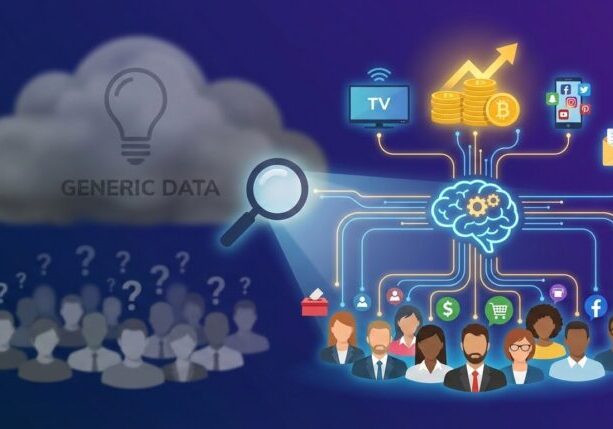
Cyber Week: The Season Where Data Meets Demand

November 11, 2025

- Generic marketing based on static factors like age and location fails to capture the immediate needs and intense, short-term interests of consumers during the high-stakes Cyber Week shopping window, leading to missed conversions.
- The key to cutting through the noise is utilizing Intent Data – insights gathered from a user’s digital behavior that reveal their current interests, likelihood to purchase, and motivation.
- Effective personalization relies on combining three critical data types: Behavioral (on-site actions), Purchase (transactional history), and Third-Party (off-site research/competitor visits).
- Intent data powers hyper-relevant strategies, including dynamic product recommendations, advanced triggered campaigns (like price drop alerts), and precise audience segmentation for paid media.
Cyber Week: The Season Where Data Meets Demand
Cyber Week – the high-stakes marathon spanning Black Friday, Small Business Saturday, and Cyber Monday – is the ultimate proving ground for marketers. For many businesses, it can represent a significant portion of annual revenue, making every single conversion critical. In this fiercely competitive landscape, the difference between a record-breaking year and a missed opportunity often comes down to one thing: relevance.
For too long, marketers have relied on demographic data – age, gender, location as the primary levers for personalization. While foundational, this approach is like painting with broad strokes when the art demands intricate detail. The modern consumer expects more; they expect brands to understand them, to anticipate their needs, and to deliver messages that resonate with their current interests and desires.
This is where intent data emerges as the true game-changer, especially during the frenetic pace of Cyber Week. Moving beyond basic segmentation, intent data allows Stirista clients to tap into the very motivations and behaviors of their audience, powering hyper-relevant messaging and dynamic creative that cuts through the noise and drives conversions.
The Limits of Demographics in a Dynamic Season
Imagine you’re selling high-end headphones. Knowing a customer is a 35-year-old male in a major city offers a starting point. But does it tell you if he’s actively researching noise-canceling headphones for an upcoming trip, or if he’s a gamer looking for a superior audio experience, or if he’s merely browsing for a gift for his niece? Demographics alone provide a static snapshot; they don’t capture the fluidity of customer interest or the urgency of their current needs.
During Cyber Week, when consumers are bombarded with thousands of offers, a generic message based solely on age or location is easily dismissed. Shoppers are in a discovery and decision-making mode, often exhibiting intense, short-term interests. Relying solely on demographics means missing these crucial, real-time signals.
Intent Data: The New Engine to drive Personalization
Intent data refers to insights gathered from a user’s digital behavior that indicates their current interests, needs, and likelihood to purchase. It’s about understanding what someone is trying to do or what they are currently interested in.
There are several powerful categories of intent data that, when combined, create a holistic view of the customer:
- Behavioral Intent (First-Party Data): This is the data you collect directly from interactions with your own brand. During Cyber Week, this becomes incredibly valuable.
- Examples: Products viewed multiple times, items added to a cart but not purchased, specific content consumed on your blog (e.g., “best gaming laptops”), search terms used on your site, email opens and clicks on specific categories, past purchase history (e.g., always buys athletic wear, never formal wear).
- Cyber Week Application: A customer repeatedly viewing specific smartwatches indicates a strong interest. You can then target them with a specific Cyber Monday deal on those very smartwatches, perhaps bundled with a related accessory they also viewed.
- Purchase Intent (Transactional Data): While a subset of behavioral, this is highly indicative. What have they bought from you before? What price points? What categories?
- Examples: Previous purchases of luxury goods, subscription renewals, purchases of complementary products.
- Cyber Week Application: If a customer bought a high-end coffee maker last year, they might be interested in a deal on gourmet coffee beans or a milk frother this year. This moves beyond generic discounts to targeted upsells and cross-sells.
- Third-Party Intent Data: This is where the true “beyond demographics” power comes in. This data is collected from a vast network of websites, publishers, and platforms, revealing what users are researching and engaging with across the internet.
- Examples: Reading reviews for specific product categories on tech blogs, visiting competitor websites, searching for “Black Friday deals on smart TVs,” engaging with social media posts about specific brands or products.
- Cyber Week Application: A prospect who has never visited your site but has been actively researching “eco-friendly running shoes” on third-party sites can be targeted with your brand’s sustainable footwear Cyber Week offers, converting a cold lead into a hot prospect.
Unleashing Hyper-Relevance: Strategies for Cyber Week
With intent data, your Cyber Week campaigns transform from generic blasts into precisely calibrated engagements:
- Dynamic Product Recommendations: Instead of showing general best-sellers, use real-time browsing intent to showcase products similar to what a user has viewed, or accessories for items in their cart. “You looked at XYZ; here’s 20% off a complementary item!”
- Triggered Campaigns: Set up automated campaigns based on specific intent signals.
- Abandoned Cart: If a user abandoned a high-value item, offer a tiered discount or free shipping. If they abandoned a specific product line, send a personalized email highlighting unique features or reviews of that product.
- Browse Abandonment: If a user viewed three specific types of items multiple times but didn’t add to cart, trigger an email featuring those items with a special Cyber Week incentive.
- Price Drop Alerts: If a user showed intent for a product that now has a Cyber Week discount, immediately notify them.
- Personalized Landing Pages & Site Experience: When a user clicks through an ad or email driven by intent data, the landing page should reflect that intent. If they clicked on a “gaming laptops” ad, ensure the landing page prominently features gaming laptops and relevant accessories.
- Audience Segmentation for Paid Media: Leverage third-party intent data to build custom audiences in platforms like Google Ads and social media. Target users who are actively researching “affordable luxury watches” with your brand’s specific Cyber Week watch deals, even if they haven’t interacted with your brand before.
- Creative Personalization: Beyond just product recommendations, tailor the visual creative itself. If intent data shows a user is interested in “home decor for small apartments,” show lifestyle imagery reflecting that specific need, rather than general home decor.
- Cross-Channel Cohesion: Ensure that intent signals captured on your website inform email campaigns, social media ads, and even customer service interactions. If a customer chatted about a specific product, follow up with relevant deals via email.
The Stirista Advantage: Turning Data into Action
At Stirista, we understand that data is only as powerful as your ability to act on it. Our robust identity resolution capabilities are foundational to leveraging intent data effectively. By stitching together disparate customer signals – from their browsing history on your site to their activity across the broader digital landscape – we create a unified, actionable customer view.
This holistic identity allows you to:
- Identify High-Intent Audiences: Pinpoint individuals who are “in-market” for your products or services right now.
- Deliver Personalized Experiences: Craft messaging, offers, and creative that align precisely with their demonstrated interests.
- Optimize Spend: Focus your precious Cyber Week marketing budget on the segments most likely to convert, maximizing your ROAS.
Cyber Week is no longer a game of blanket discounts; it’s a strategic battle for attention and conversion. Brands that move beyond the limitations of demographic data and harness the predictive power of intent data will be the ones that win. By understanding what your customers are truly looking for, you can deliver hyper-relevant experiences that not only drive immediate sales but also build the foundation for long-term customer loyalty.
Embrace intent data, and turn this Cyber Week into your most personalized, and most profitable, season yet!
Frequently Asked Questions
1. How is Intent Data different from the Demographic Data we already use?
Intent Data goes beyond the static details of who a customer is (age, gender, location, etc.) to focus on what they are actively trying to do or what they are currently interested in.
2. What are the key categories of Intent Data?
- Behavioral Intent (First-Party): Data collected directly from your brand’s properties (products viewed, cart abandonment, content consumed).
- Purchase Intent (Transactional): Data about a user’s past buying behavior (price points, product categories purchased).
- Third-Party Intent: Data collected from a vast network of external websites and publishers (researching competitor products, reading reviews, engaging with related content off-site).
3. What is the most effective way to use Intent Data to maximize sales during Cyber Week?
The most effective use is to set up Triggered Campaigns and Dynamic Creative based on real-time intent signals. This moves beyond scheduled email blasts to personalized, automated responses. Examples include:
Featured Content