
What types of alternative data should investors and data providers focus on?

July 5, 2024
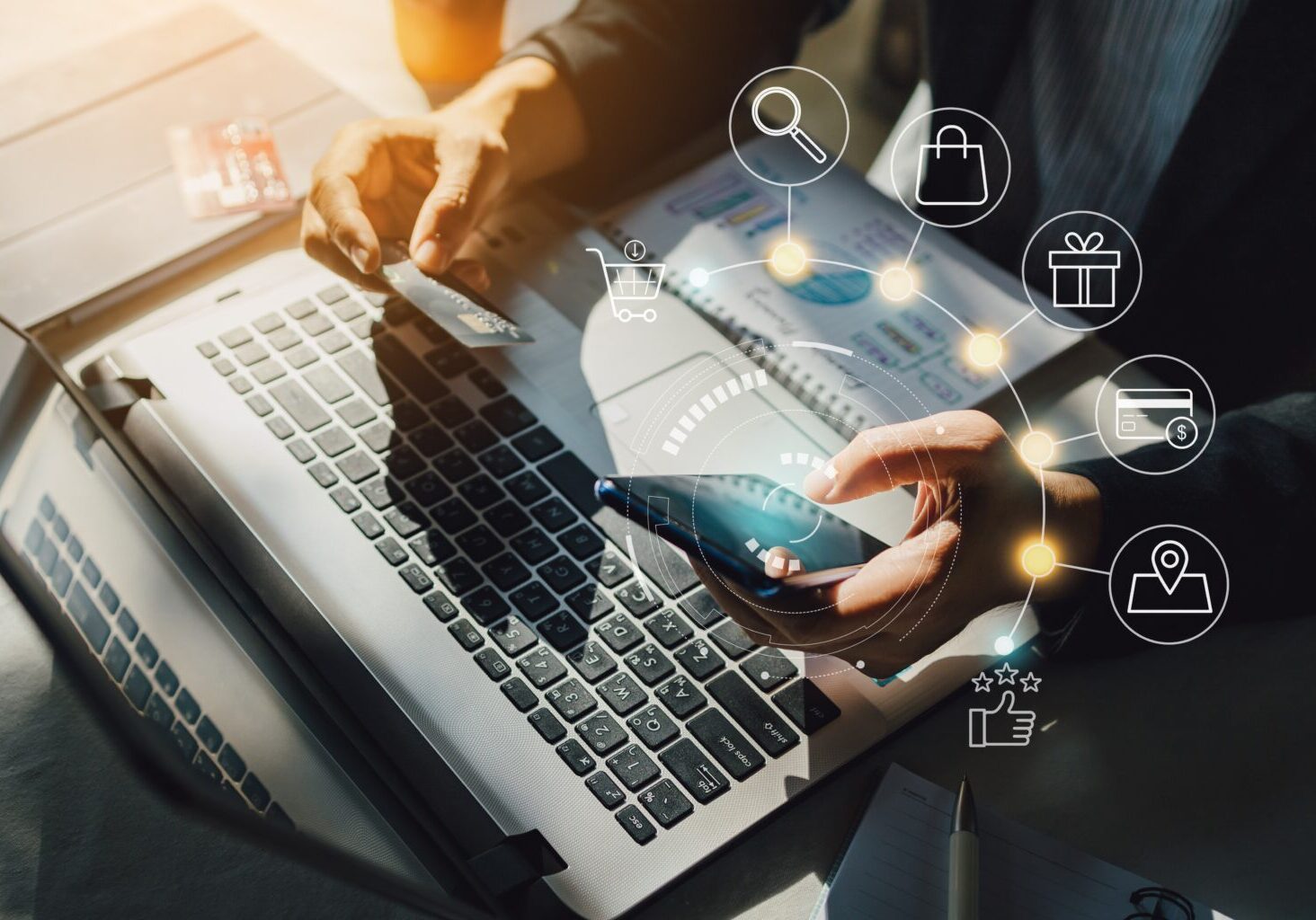
Credit and Debit Card Data and IoT Data as Alternative Data Sources
Credit and debit card transaction data, along with IoT data, are among the most promising alternative data sources available today.
While alternative data once helped hedge funds make investment decisions by using satellite imagery—such as counting cars in parking lots—it has evolved far beyond those early applications.
Today, investment firms consistently cite credit and debit card transaction data as one of the most accurate and effective sources of alternative data. At the same time, emerging data sets like IoT data are shaping the future of reliable, privacy-conscious insights.
There are many types of alternative data available, including geolocation data, web scraping data, and email receipt data. For now, we’ll focus on two sources that show particular promise for investors, starting with transaction data.
Credit and Debit Card Transaction Data
Transaction data provided by credit and debit card companies helps fill the gap left behind by cookies.
This data can serve as the backbone of fintech audience segmentation. Investors can analyze consumer groups such as:
- High spenders on online home goods
- Buyers who regularly use meal delivery services
- Consumers who frequently shop on fast-fashion ecommerce platforms
Transaction data also allows for location-specific insights, enabling more granular and actionable segmentation.
Unlike cookies, transaction data shows where consumers actually spend money—not just where they browse. In addition, these data sets are typically anonymized and privacy-compliant, making them more viable in an increasingly regulated data landscape.
Cited by investment firms for its accuracy and predictive potential, transaction data remains one of the most valuable alternative data sources today—and may become even more powerful in the future.
IoT Data and Connected Devices
There were approximately 42 billion active IoT devices worldwide last year, and that number continues to rise.
The internet now extends far beyond mobile phones and computers. Connected devices include:
- Cars
- Refrigerators
- Lightbulbs
- Thermostats
- Door locks
- Smart speakers
Consumers are increasingly adopting these “smart” devices, creating new opportunities for investors seeking data beyond traditional digital touchpoints.
IoT data collected from devices such as smartwatches or smart appliances can offer deep insights into consumer behavior and lifestyles, supporting more refined segmentation strategies.
The volume of IoT data is expected to grow significantly. eMarketer estimates that by 2025, users may spend up to 45 minutes per day interacting with IoT devices. Connected TVs (CTVs), in particular, are rapidly becoming one of the most influential IoT devices, competing directly with traditional television.
The Future of Alternative Data Sources
The decline of cookies does not signal the end of accurate or actionable data. Instead, it opens the door to more creative and effective solutions.
As data providers focus on privacy-compliant innovation, alternative data derived from real-world activity—such as transactions where consumers actually spend money, Bluetooth signals from vehicles, or interactions with smart speakers—offers more accurate and meaningful insights.
It’s also important to remember that alternative data extends well beyond transaction and IoT data. Investors can also leverage:
- Geolocation data
- Web-scraped data
- Social and sentiment analysis data
As AI and machine learning continue to advance, analyzing these complex data sets becomes easier and more accessible.
Cookies may be disappearing, but alternative data offers far more compelling opportunities. The future of data-driven decision-making lies beyond cookies—and it’s already taking shape.
Related Content