Third-Party Cookies Finally Crumble: What It Means for Marketers

May 17, 2024
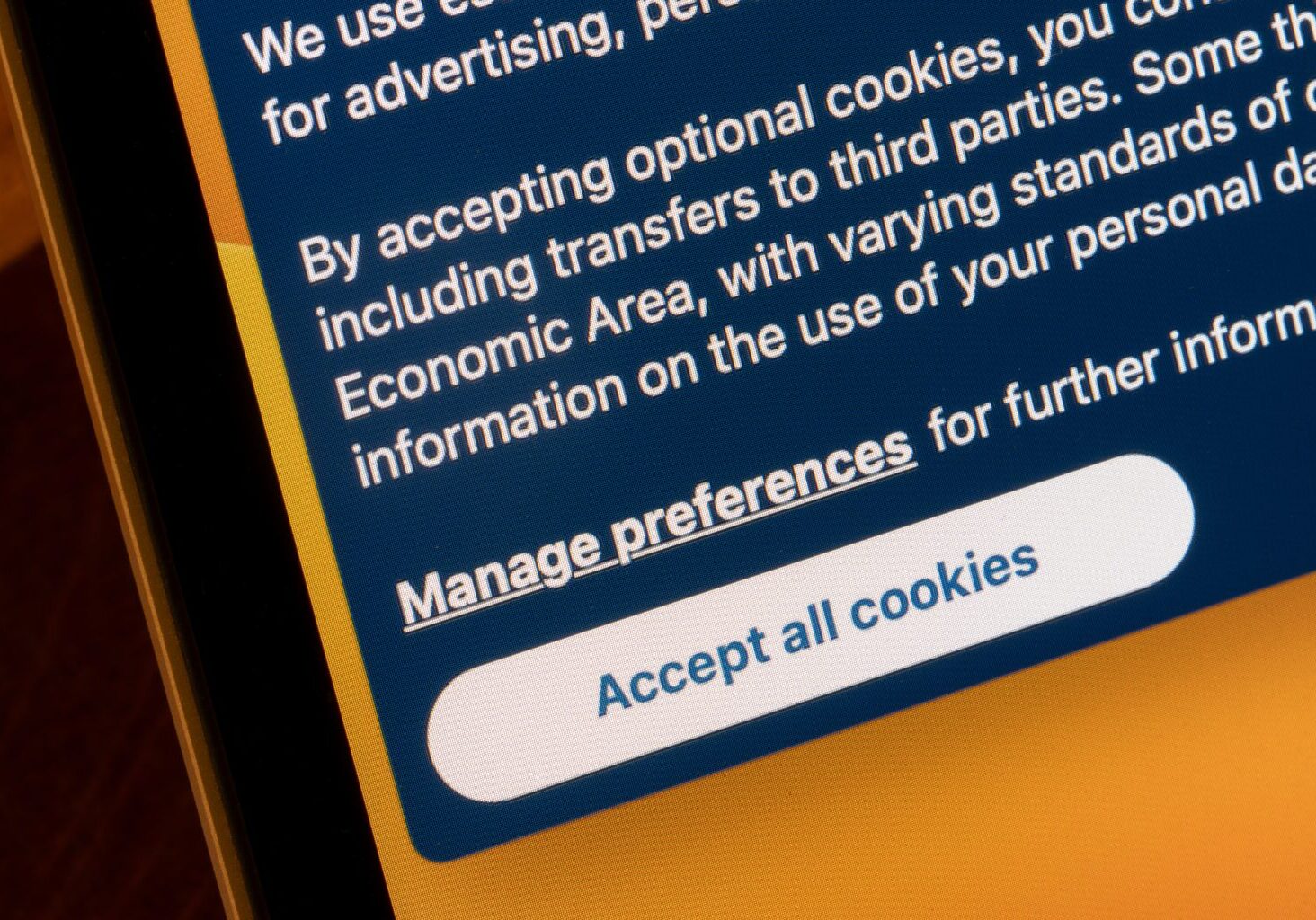
For the past few years, Google has signaled the eventual phase-out of third-party cookies. Now, that shift is becoming more real.
With Chrome testing privacy changes and a gradual rollout toward cookie deprecation, marketers are entering a transition period. While timelines may still shift, the direction is clear—brands must prepare for a cookieless future marketing environment.
At Stirista, this shift isn’t a concern—it’s an opportunity. Our approach has always been built to operate beyond cookies.
The Industry Is in a Transition Phase
Currently, marketers are in a unique position.
Everyone is adapting at the same time, which creates an opportunity to test, learn, and refine strategies without falling behind competitors.
However, many organizations are still unprepared. More than half of marketing companies lack readiness for a cookieless future, and many expect significant revenue impact once cookies are fully deprecated.
This is why brands are actively exploring alternative approaches, including identity-based solutions and first-party data strategies, as discussed in first-party data marketing strategy.
Emerging Alternatives to Third-Party Cookies
Several alternatives are emerging to replace cookie-based tracking:
- Google Topics API
- Universal ID solutions
- IP-based targeting
Each of these solutions attempts to balance personalization with privacy.
Universal IDs, for example, allow brands to identify users across platforms using first-party and offline data. Identity graphs then connect these signals into unified customer profiles.
These approaches are closely tied to identity resolution marketing, where marketers rely on persistent identifiers rather than cookies.
Why Identity and First-Party Data Matter More Than Ever
The shift away from cookies reinforces the importance of first-party data and identity-driven marketing.
Brands that invest in building strong data foundations will be better positioned to:
- Maintain targeting accuracy
- Improve personalization
- Ensure compliance with privacy regulations
This evolution also highlights broader marketing identity challenges in a cookieless world, where balancing privacy and performance becomes critical.
Stirista’s Cookieless Approach
At Stirista, cookies have never been the foundation of our strategy.
Instead, we focus on persistent identifiers like email, which remain one of the most reliable ways to understand and engage customers.
By leveraging hashed and encrypted email data, along with first-party and offline data inputs, we help brands:
- Build accurate audience profiles
- Activate campaigns across channels
- Maintain privacy compliance
This approach ensures that marketers can continue to reach their audiences effectively—even without cookies.
The Future of Marketing Without Cookies
Third-party cookie deprecation is not just a challenge—it’s a turning point.
It’s an opportunity to rethink how marketing works and build more sustainable, privacy-first strategies.
Marketers who adapt quickly will gain a competitive advantage, while those who rely on outdated methods risk falling behind.
The end of third-party cookies is inevitable
—but it doesn’t mean the end of effective marketing.
By embracing identity-driven strategies, first-party data, and privacy-compliant solutions, brands can continue to:
- Reach the right audiences
- Deliver personalized experiences
- Drive meaningful results
The future of marketing isn’t cookie-based—it’s data-driven, identity-powered, and built for long-term success.
Featured Content